“GEMINA” – Interior Perspective
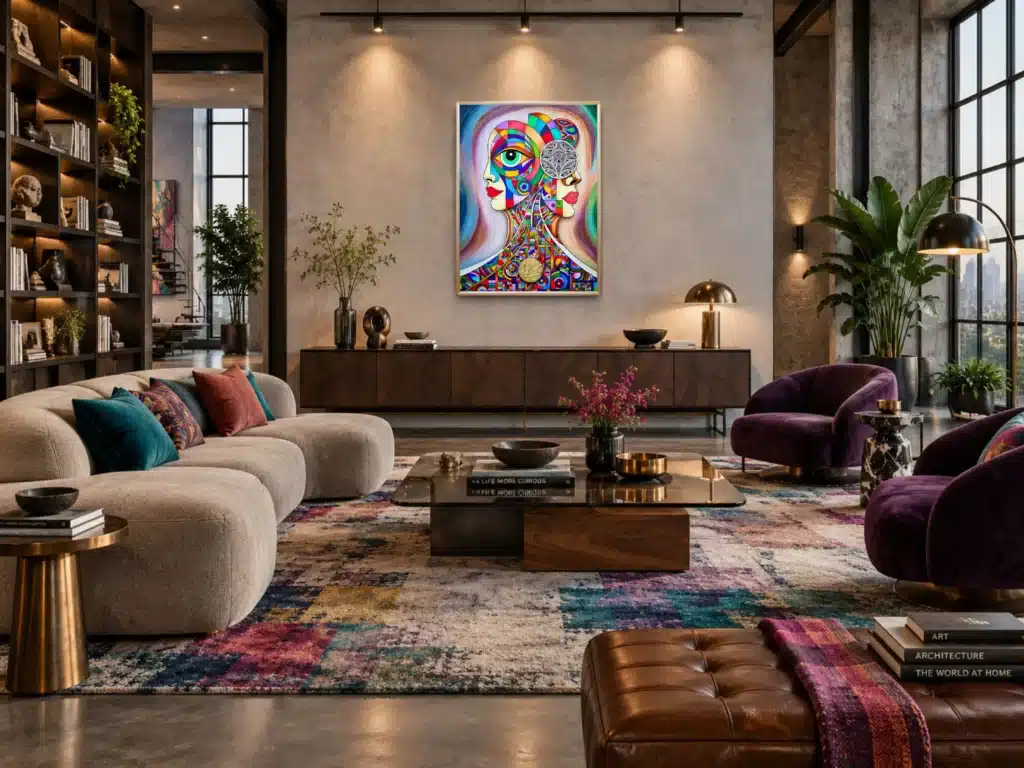
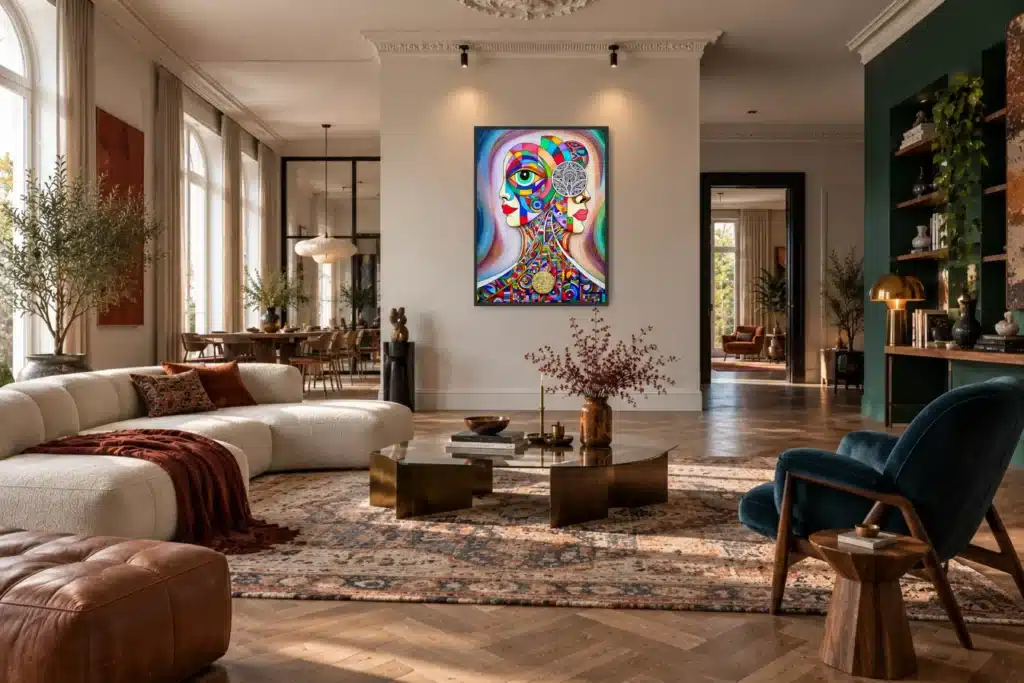
An interior is never experienced from a single point of view. We move through it, notice one detail and then another, and allow light, materials, and proportion to shape the way we perceive it. A room that feels familiar in one moment can reveal a different character in another. Certain artworks behave in much the same way, changing not in themselves, but in the way we encounter them.
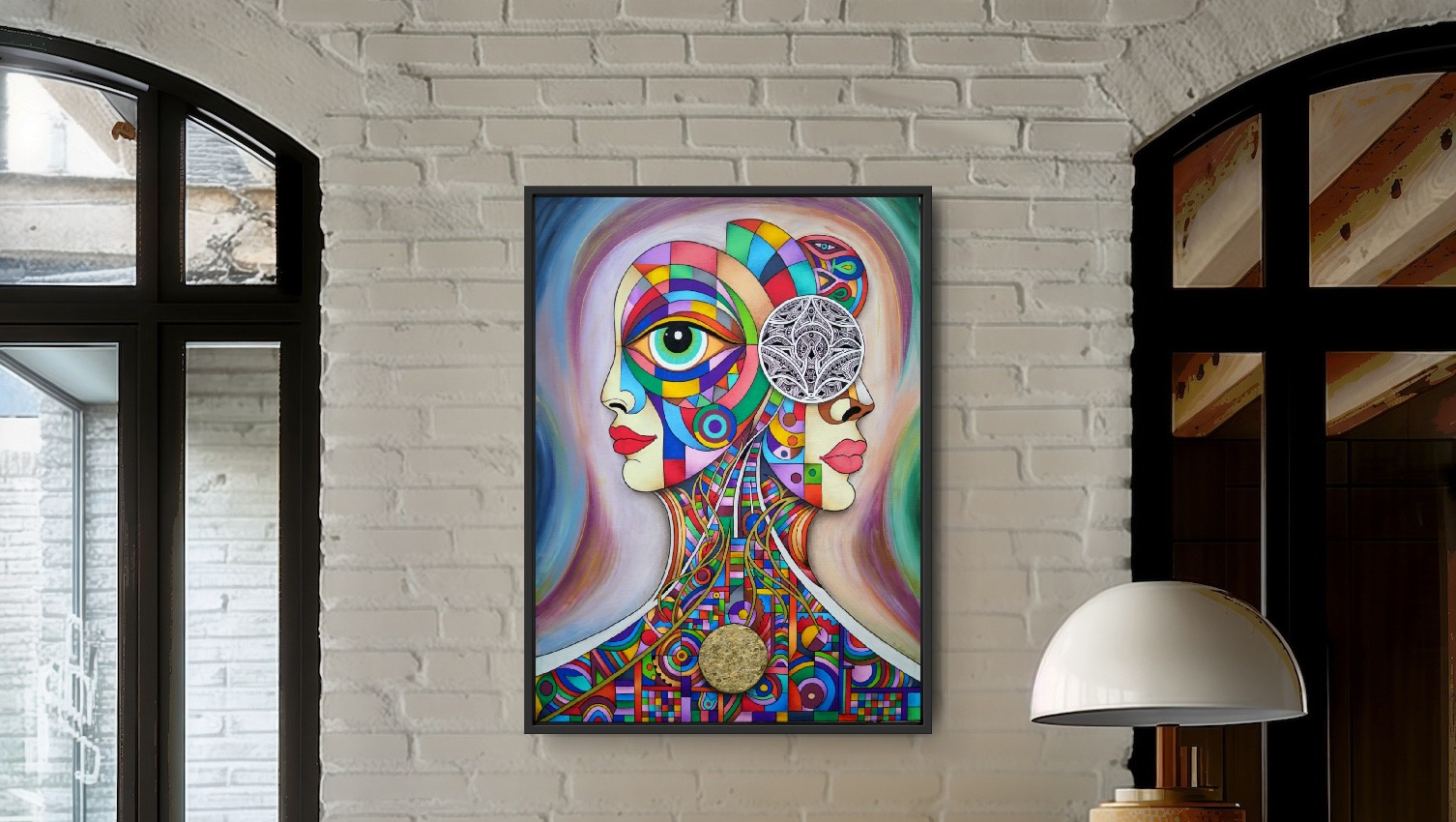
GEMINA is closely connected to this shifting perception. It resists a single reading and instead exists somewhere between familiarity and uncertainty, closeness and distance, harmony and contrast. Depending on its surroundings, the work can feel intimate and reflective or more graphic and independent. The interior does not simply frame it, it influences which part of its character comes forward.
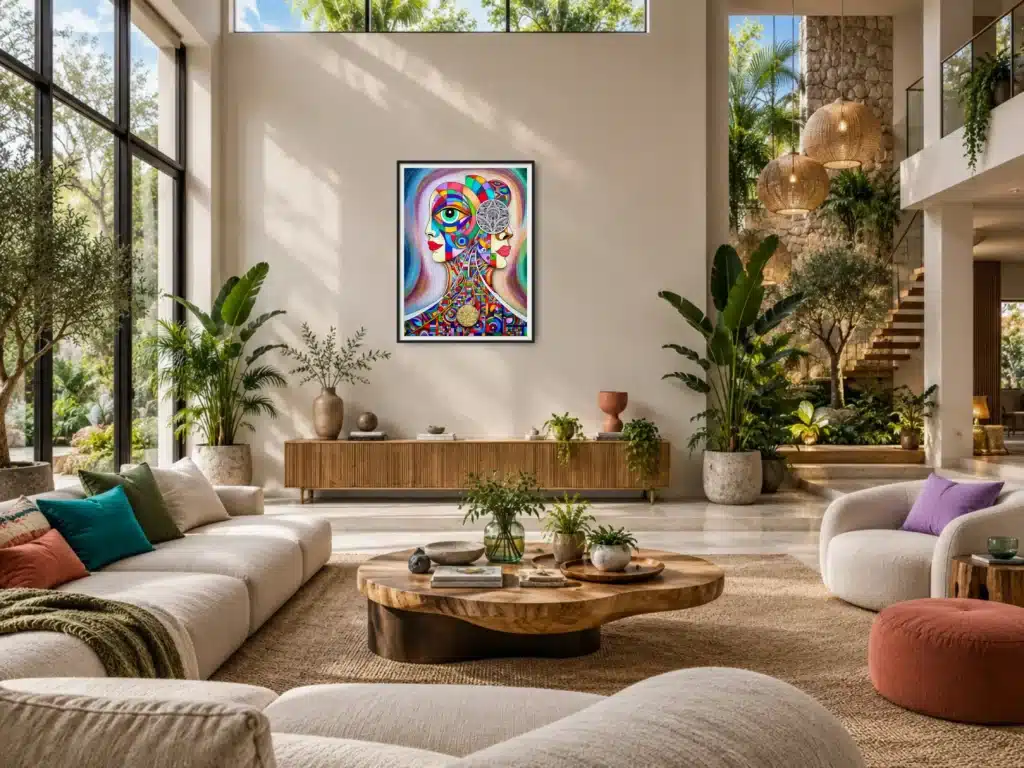
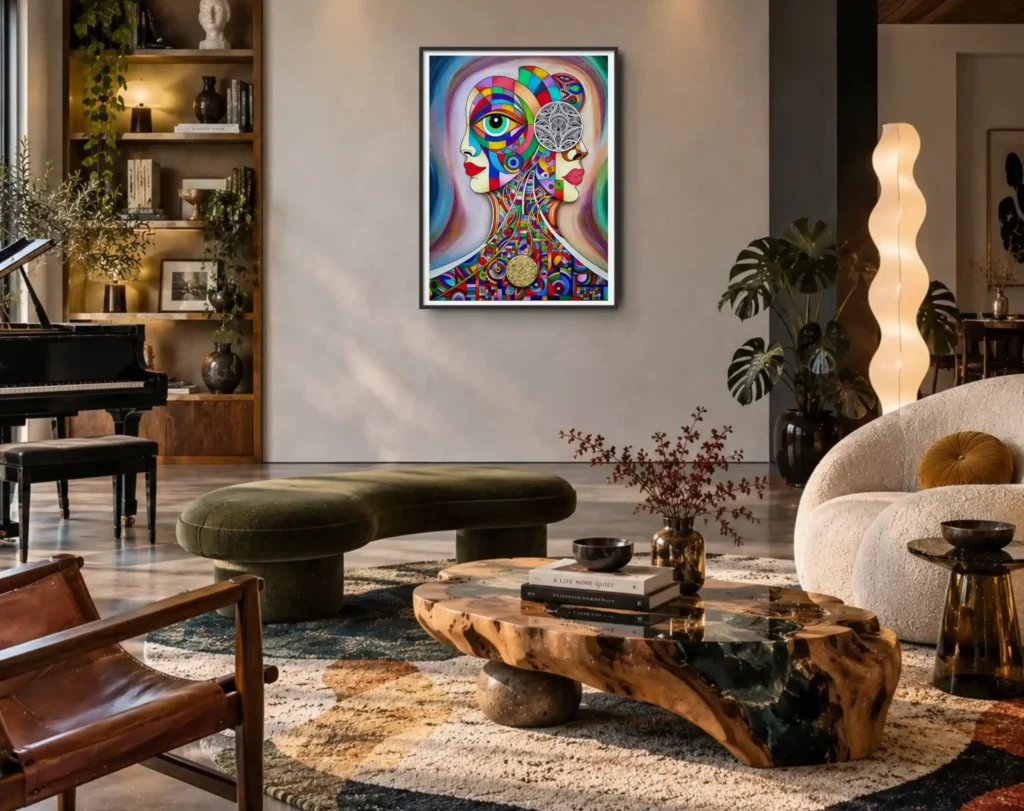
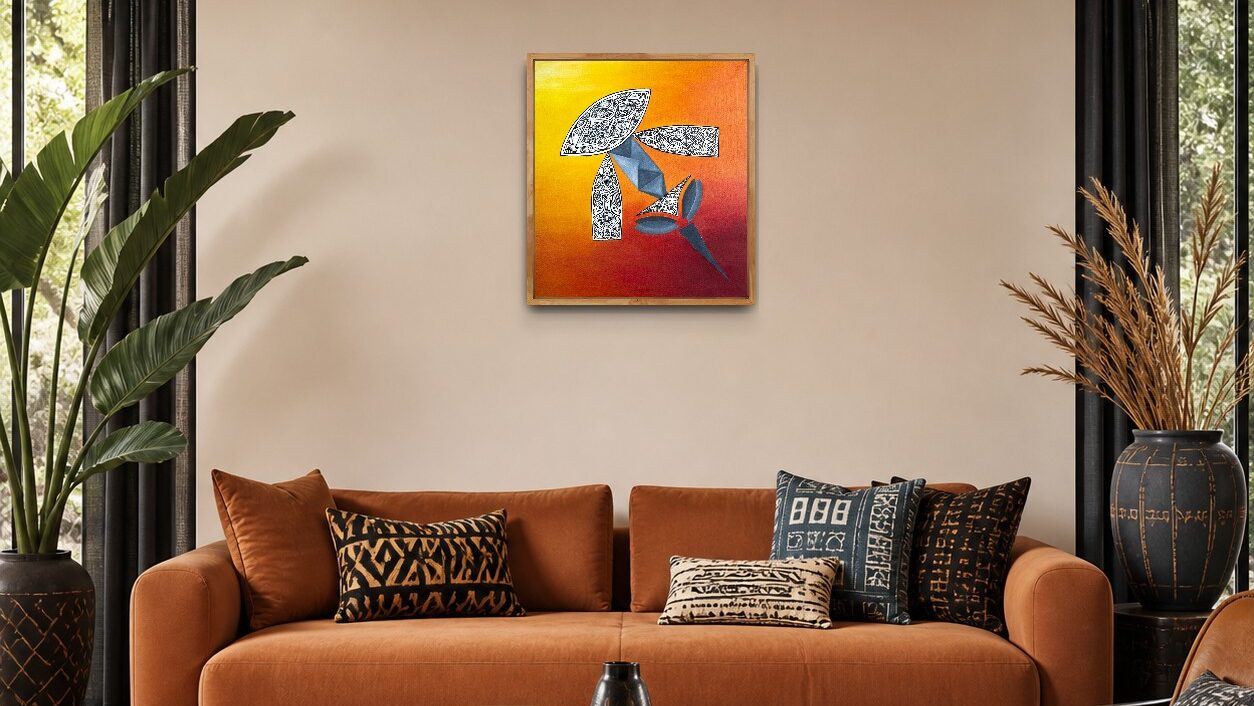
Warm wood, textured fabrics, natural surfaces, and softer light can draw the work into a more personal atmosphere. Cleaner walls and restrained forms create another effect, allowing its complexity to stand apart. Neither approach is more valid than the other. What interests me is the tension created when an artwork and an interior are allowed to remain distinct while still belonging to the same space.
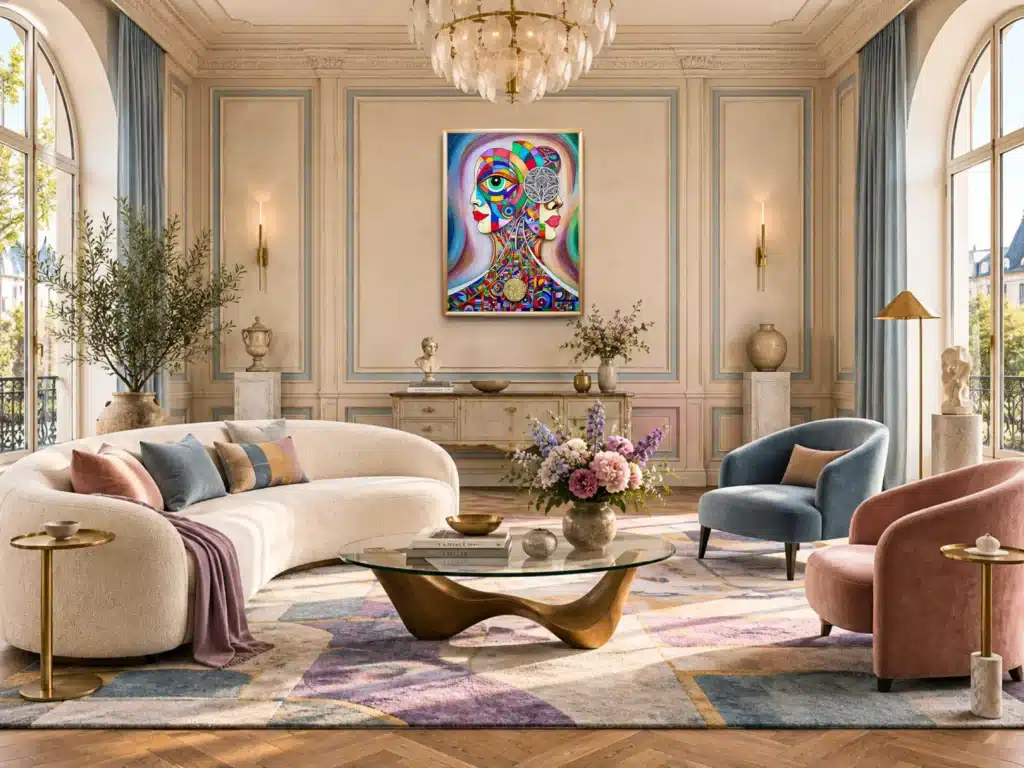
The relationship is not built through color alone. Curved furniture, architectural lines, handmade objects, textiles, and natural materials can quietly echo the rhythm of the work without directly imitating it. These connections are often subtle. A room does not need to repeat the language of a painting in order to support it. Sometimes contrast creates the stronger dialogue.
Distance also changes the experience. From across a room, an artwork becomes part of a larger composition, existing alongside architecture, furniture, light, and negative space. As we move closer, those surroundings gradually disappear and smaller details begin to take over. Distance simplifies, proximity complicates. The first impression is rarely the final one.
The same is true of interiors. We often understand a room first through its general atmosphere, but its identity is built through smaller relationships: the grain of wood beside a smooth surface, the curve of a chair against a straight wall, the way daylight moves across a material throughout the day. Meaning does not belong to one object alone. It emerges from the way different elements exist together.
For me, this is where GEMINA becomes most interesting. It does not require a specific interior style. It can exist among refined objects without becoming decorative, within natural materials without losing its intensity, or against a quieter background without appearing isolated. Spaces that combine old and new, structured and organic, polished and imperfect often create the most convincing setting.
GEMINA remains the same wherever it is placed, yet each environment changes the way it is perceived. Sometimes the room reveals something new in the artwork. Sometimes the artwork makes us notice the room differently.
And when we look again, perhaps neither has changed at all, only our own position between the two.
Related posts
“VOLUBILIS” – Interior Perspective
It carries the warmth of late afternoon into the room. It shifts between modern, bohemian, and drama
“PURGATO” – Interior Perspective
Layer upon layer, each one earned. Nothing here arrived by accident.
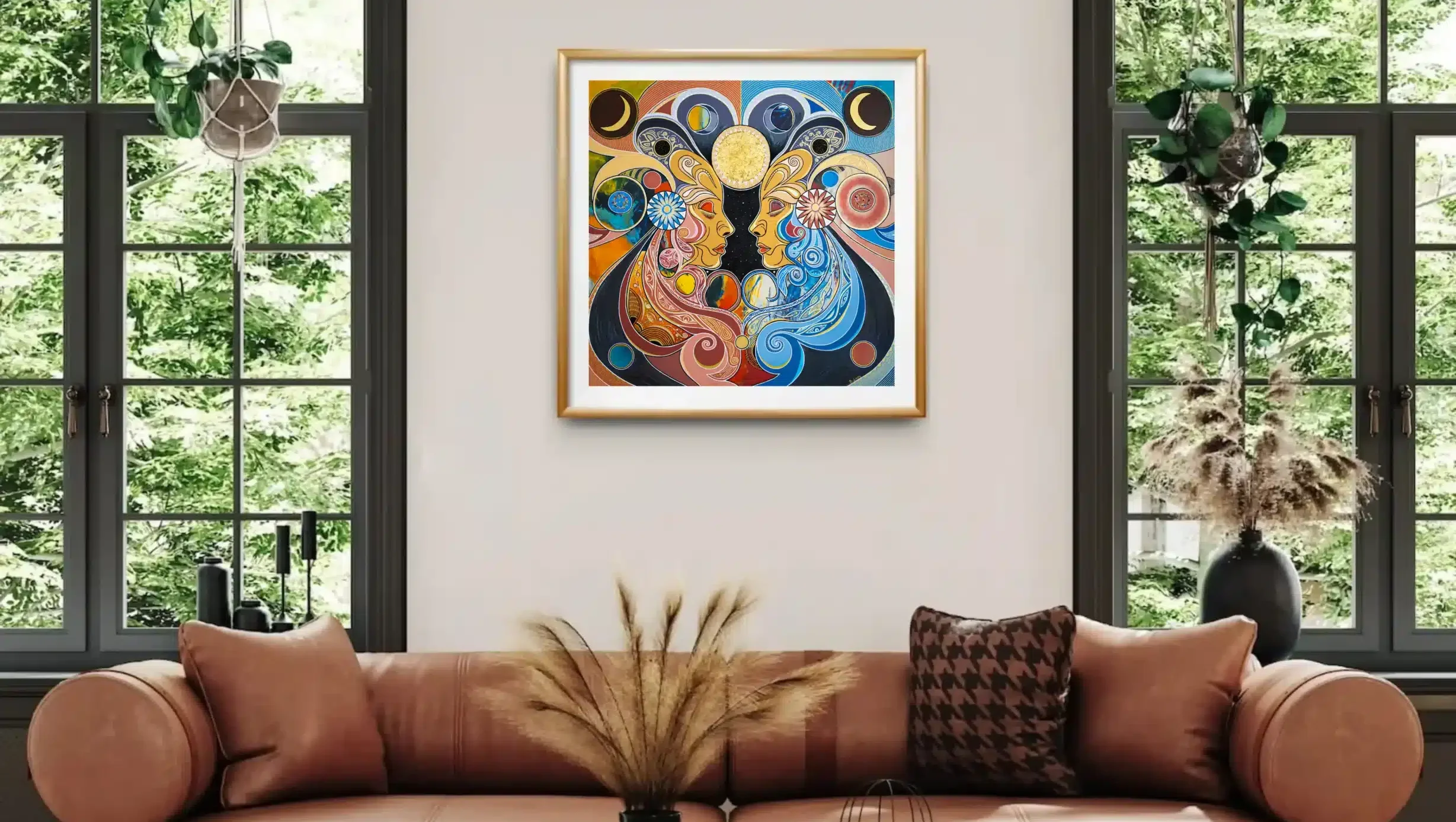
“DUALIS AURORA” – Interior Perspective
A reflection on how this painting shifts between dramatic, earthy and minimal interiors.